
The 1990s marked a revolutionary period for video games—3D graphics were on the rise, and the platformer genre made a bold leap from side-scrolling simplicity to full-blown, action-packed exploration. While consoles like the Nintendo 64 and PlayStation dominated the 3D platforming spotlight, the PC also saw its share of iconic, quirky, and ambitious titles that pushed creative and technical boundaries.
Jump, Run, and Explore: The Golden Era of PC 3D Platformers in the ’90s
From the acrobatic elegance of Tomb Raider to the surreal humor of MDK and the vibrant worlds of Rayman 2, PC gamers of the ’90s were treated to a diverse and unforgettable lineup. These games didn’t just focus on jumping and climbing—they blended exploration, puzzle-solving, and action into immersive experiences that laid the groundwork for future 3D adventures. Whether you’re rediscovering old favorites or learning what made this era so magical, this list celebrates 12 of the most beloved and influential PC 3D platformers of the decade.
10. Sonic R (1997)
Developer: Traveller’s Tales / Sonic Team
Publisher: SEGA
Though technically a racing game, Sonic R functioned as a 3D platformer with open, exploration-heavy tracks and character abilities (like jumping, gliding, etc.). It was one of Sonic’s first ventures into 3D, released on PC and Sega Saturn.
The game’s famously upbeat soundtrack was composed by Richard Jacques and sung by TJ Davis—though mocked at the time, it has since become a nostalgic meme in the fan community.
Fan Reception: Initially polarizing due to floaty controls and limited content, Sonic R has since become a cult favorite thanks to its soundtrack, colorful visuals, and nostalgic value. Fans often cite its weird charm and surprisingly complex track designs.
“Can you feel the sunshine? Does it brighten up your day?”
9. Bugs Bunny: Lost in Time (1999)
Developer: Behaviour Interactive
Publisher: Infogrames
Bugs Bunny is sent back in time and must travel through various historical eras to return to the present. This 3D platformer mixed puzzle-solving, item collection, and slapstick humor true to Looney Tunes.
The game’s time travel mechanic was inspired by Back to the Future, and the voice of Bugs was provided by Greg Burson, one of Mel Blanc’s successors.
Though not groundbreaking, fans enjoyed its authentic cartoon feel, voice acting, and diverse level themes. It holds nostalgic value for many who grew up in the late ’90s.
“Eh… what’s up, doc?” – Bugs Bunny
8. Donald Duck: Goin' Quackers (1999)
Developer: Ubisoft Montreal (PC version)
Publisher: Ubisoft
This late-90s Disney platformer saw Donald trying to rescue Daisy from evil wizard Merlock. It mixed 2D and 3D levels.
Different versions of the game were developed simultaneously for various platforms, each with unique level designs and graphics—making the PC version distinct from the console ones.
Fan Reception: Though aimed at younger audiences, fans found its graphics and responsive controls impressive. It’s remembered as a solid, charming platformer.
“Quack attack incoming!”
7. Claw (1997)
Developer: Monolith Productions
Publisher: Monolith Productions
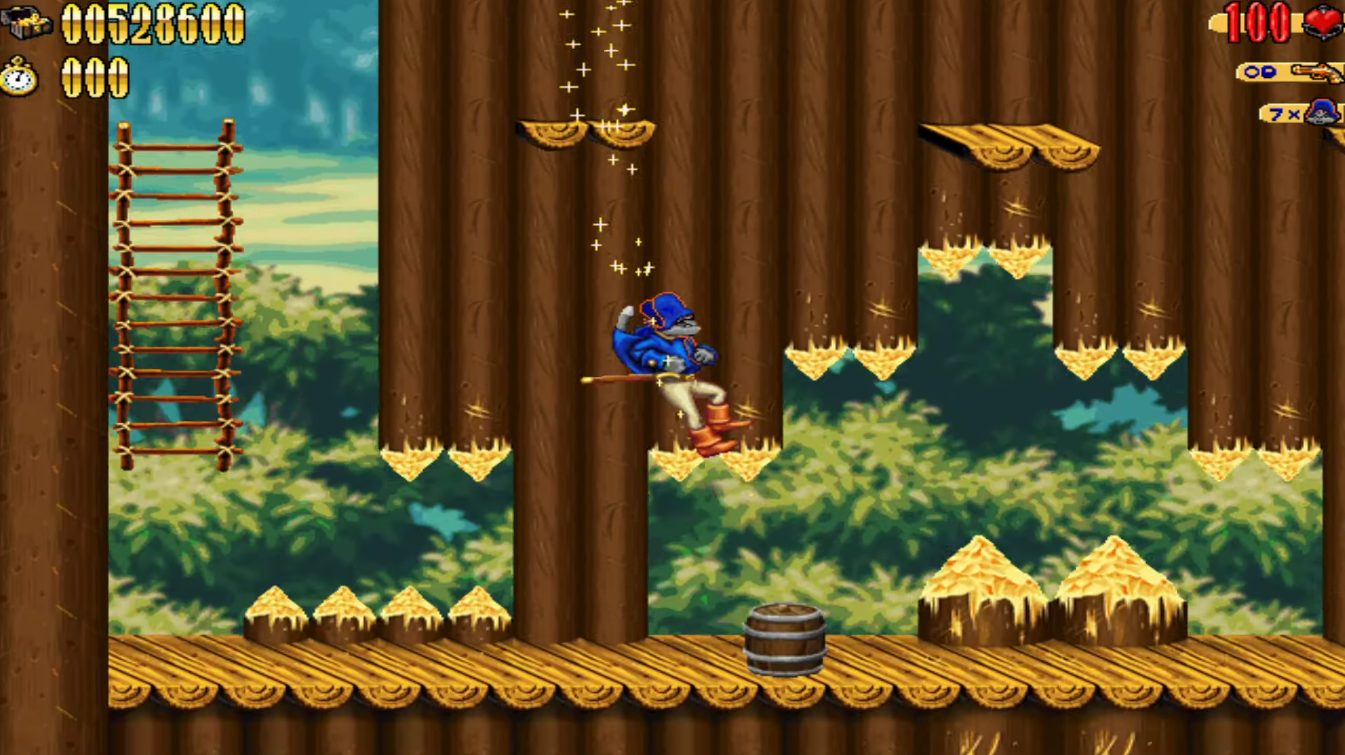
While primarily 2D, Claw featured 3D-style visuals and effects. You played as a pirate cat fighting to recover a mystical artifact.
Claw featured one of the earliest examples of LAN multiplayer in a platformer, with a robust competitive mode where players could duel as pirate animals.
Fan Reception: Cult status emerged due to tight controls, excellent animations, and challenging gameplay. Fans recall it fondly for its difficulty and polish.
“I’ve got to find the Amulet!” – Captain Claw
6. Earthworm Jim 3D (1999)
Developer: VIS Entertainment
Publisher: Interplay Entertainment
A bizarre 3D follow-up to the 2D cult hit, Earthworm Jim 3D entered Jim’s brain as he tried to regain his sanity.
The game was in development for over four years and suffered multiple delays, which led to the final release feeling outdated compared to newer 3D platformers at the time.
Fan Reception: While not as beloved as the 2D originals, fans appreciated the surreal design and humor, even if the gameplay didn’t match the franchise’s earlier brilliance.
“Groovy!” – Earthworm Jim
5. Pandemonium! (1996)
Developer: Toys for Bob
Publisher: Crystal Dynamics
A 2.5D platformer with 3D visuals, Pandemonium followed jester Fargus and sorceress Nikki. It had vibrant worlds and tricky platforming.
Though it used 3D graphics, the game’s movement was confined to a 2D plane—a design known as “2.5D”—which allowed for both impressive visuals and tight platforming control.
Fan Reception: Fans enjoyed the light-hearted, whimsical feel and impressive graphics for its time. It wasn’t as deep as others but was a fun ride.
“A little magic goes a long way!”
4. Gex: Enter the Gecko (1998)
Developer: Crystal Dynamics
Publisher: Eidos Interactive
Gex was a wisecracking gecko navigating themed TV worlds to defeat the villain Rez. A parody of pop culture, it featured TV, horror, and sci-fi levels.
Gex’s voice actor in the U.S. version, comedian Dana Gould, improvised many of the game’s one-liners, making each level packed with unscripted pop culture references.
Gex’s humor (especially in the US voiceover by comedian Dana Gould) divided fans, but his personality stood out. The level variety and platforming earned a cult following.
“It’s tail time!” – Gex
3. Rayman 2: The Great Escape (1999)
Developer: Ubisoft Montpellier
Publisher: Ubisoft
Rayman 2 took the beloved 2D character into 3D with cinematic flair and tight platforming. It featured creative level design and a magical world under siege by robot pirates.
Rayman 2 was originally conceived as a 2D game before being entirely reworked into 3D during development—an ambitious pivot that paid off tremendously.
Considered one of the best 3D platformers ever, it was praised for its lush environments, controls, and variety. Fans loved its charm and replayability.
“The time has come for the final battle!”
2. Croc: Legend of the Gobbos (1998)
Developer: Argonaut Software
Publisher: Fox Interactive
Croc is a cuddly green crocodile who sets off to save the Gobbos, his furry friends, from the villainous Baron Dante. Though more popular on consoles, the PC version was widely played.
Croc was originally pitched to Nintendo as a Yoshi game for the Nintendo 64, but Nintendo declined, leading developers to create an original character instead.
Fans admired the charm and colorful world, though some criticized the tank controls. It became a nostalgic favorite for many 90s kids.
Croc doesn’t speak, but his enthusiastic squeaks became iconic
1. Tomb Raider (1996)
Developer: Core Design
Publisher: Eidos Interactive
Tomb Raider introduced the world to Lara Croft, a British archaeologist-adventurer exploring ancient ruins and solving puzzles. It featured groundbreaking 3D environments and cinematic camera angles.
Lara Croft was originally designed as a male character named “Indiana Smith,” but was later changed due to obvious similarities to Indiana Jones—and to stand out in the market.
Fans were amazed by the level of exploration and freedom, as well as Lara’s strong presence as a female protagonist. While the controls were stiff by today’s standards, it became an icon of 90s gaming and spawned a massive franchise.